


If you have explored global cuisines, you may have noticed that not all “roti” is the same. While the concept originates from Indian culinary tradition, its journey across continents has led to distinct variations. One of the most notable adaptations is Surinamese roti, which may look similar at first glance but offers a very different experience.
The difference between Surinamese and Indian roti goes beyond ingredients and cooking techniques. It reflects a deeper story of migration, cultural exchange, and how traditional foods evolve when introduced to new environments and influences.
In this guide, you will discover the five key differences between these two flatbreads — from texture and preparation to how they are served and their cultural significance.
What Is Roti? Understanding the Origins Before Comparison

Before comparing the two variations, it is essential to understand where roti originates and how it evolved differently across regions. Although both Indian and Surinamese roti share a common origin, their journeys diverged significantly due to geography, migration, and cultural adaptation.
Indian Roti: A Traditional Staple
Indian roti is one of the oldest and most fundamental foods in South Asia, deeply rooted in everyday life. Made primarily from whole wheat flour (atta) and water, it is an unleavened flatbread that has been consumed for centuries across India. It is valued for its simplicity, affordability, and nutritional balance, making it a staple in millions of households.
Prepared fresh daily, Indian roti is typically cooked on a hot griddle and served alongside lentils, vegetables, or curries. It plays a central role in Indian meals, not just as food but as a cultural habit that reflects routine, family traditions, and regional diversity.
Surinamese Roti: A Product of Migration
Surinamese roti has a very different origin story shaped by history and movement. During the 19th century, Indian indentured laborers were brought to Suriname by the Dutch, carrying their culinary practices with them. Over time, these traditions adapted to locally available ingredients and Caribbean influences.
This evolution resulted in Surinamese roti, which differs in texture, preparation, and usage. Unlike its Indian counterpart, it is softer, larger, and designed to hold a full meal, reflecting both practicality and cultural fusion.
Why This Comparison Matters
The Surinamese vs Indian roti distinction goes beyond food—it represents how cuisine transforms across borders. What began as a simple flatbread in India evolved into a unique dish in Suriname, shaped by history, environment, and identity. Understanding this comparison provides insight into how food carries culture, adapts over time, and creates entirely new culinary experiences.
1. Flour and Dough Composition: The Foundation of Difference
The most fundamental difference between these two flatbreads begins at the ingredient level — specifically, the type of flour used and how the dough is prepared. This initial step directly impacts texture, taste, and overall functionality.
How Indian Roti Dough Is Made
Indian roti is traditionally prepared using whole wheat atta, water, and sometimes a pinch of salt. The dough is completely unleavened and kneaded until it becomes soft, smooth, and slightly elastic. After kneading, it is usually rested for 15–30 minutes to improve flexibility and ease of rolling.
This method produces a flatbread that is firm yet soft enough to fold, with a slightly chewy texture and a natural, earthy wheat flavor. The absence of fat keeps it light and simple, aligning with its role as an everyday staple.
How Surinamese Roti Dough Is Made
In contrast, Surinamese roti uses all-purpose white flour, and fat such as oil, butter, or ghee is mixed directly into the dough. Some variations also include a small amount of baking powder to enhance softness.
Why Fat Changes the Texture
The addition of fat alters the gluten structure, making the dough softer, smoother, and more pliable. This results in a roti that is easier to roll, less prone to tearing, and ideal for wrapping fillings.
Key Takeaway
Indian roti relies on whole wheat and simplicity, while Surinamese roti incorporates refined flour and fat to achieve a softer, more flexible texture.
2. Size, Thickness, and Texture: Physical Differences You Can See
Once cooked, the differences between Indian and Surinamese roti become immediately noticeable. These variations are not accidental—they are shaped by how each roti is intended to be used in a meal.
Indian Roti Characteristics
Indian roti is typically smaller in size, with a diameter of around 6 to 8 inches. It is rolled thin and cooked quickly on high heat, which allows it to puff up slightly due to trapped steam. This creates a soft interior with light char marks on the surface.
The texture is slightly firm yet flexible, making it ideal for tearing and scooping curries, vegetables, and dals. Its structure supports controlled portions and complements multi-dish meals.
Surinamese Roti Characteristics
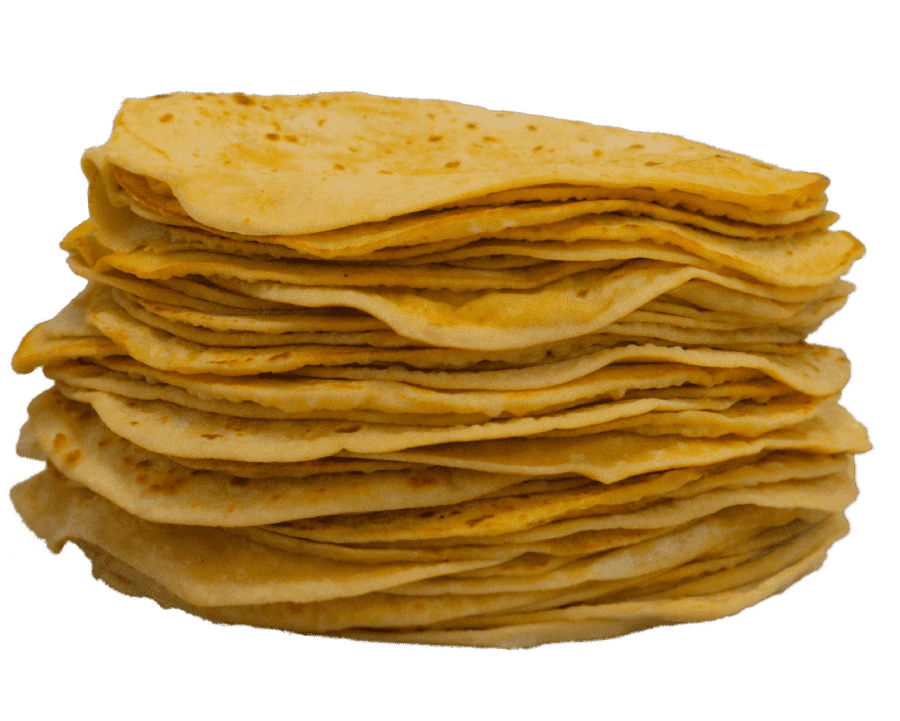
Surinamese roti is significantly larger, usually measuring 10 to 12 inches in diameter. It is thicker, softer, and has a smooth, almost silky finish. Unlike Indian roti, it does not puff up during cooking and remains consistently flat.
Why Size Matters in Surinamese Roti
The larger size serves a functional purpose. It is designed to:
- Wrap-around fillings easily
- Act as a complete meal base
- Prevent tearing when folded
Key Takeaway
Indian roti is thin, compact, and structured for scooping, whereas Surinamese roti is larger, softer, and specifically designed for wrapping full meals.
3. Serving Style and Eating Method: The Biggest Practical Difference
This is the most noticeable distinction in real-world dining. The way roti is served and consumed clearly highlights the functional difference between Indian and Surinamese food culture.
Indian Roti: A Side Dish Component
In Indian cuisine, roti is not the main dish but an essential accompaniment. It is served alongside curries, vegetables, and lentils, forming part of a balanced meal that includes multiple components.
Typically, roti is used as an edible utensil. You tear a piece, use it to scoop curry or dal, and eat everything together. This method emphasizes variety, where each bite can combine different flavors and textures from the plate. The roti itself remains neutral, supporting rather than dominating the meal.
Surinamese Roti: A Complete Meal
In contrast, Surinamese roti is designed to be the meal itself. Instead of being served separately, it is filled with ingredients such as curried chicken, potatoes, long beans, and boiled eggs. All components are wrapped together inside the roti, creating a self-contained dish.
This makes it more practical, filling, and convenient—similar to a wrap or roll, where everything is combined into one cohesive serving.
Rotiwinkel Culture
Surinamese roti is commonly sold in specialized “roti shops,” especially in Suriname and the Netherlands. These outlets are known for quick service, generous portions, and consistent flavors, making roti a popular everyday meal option comparable to street food.
Key Takeaway
Indian roti is served as a supporting element alongside dishes, whereas Surinamese roti functions as a complete, wrapped meal in itself.
4. Flavor Profiles and Spice Influence: Regional vs Fusion
Flavor is a defining factor in the Surinamese vs Indian roti comparison. While the roti itself may be mild in both cases, the dishes served with it create entirely different taste experiences shaped by regional and cultural influences.
Indian Roti Pairings
Indian roti is typically neutral in flavor, designed to complement a wide variety of dishes rather than overpower them. It is commonly paired with regional curries, lentils (dal), and vegetable preparations.
The spice profile varies significantly across India. In North India, dishes often include cumin, coriander, turmeric, and garam masala, creating warm and robust flavors. In South India, mustard seeds, curry leaves, coconut, and tamarind bring a sharper and more aromatic profile. This diversity allows Indian roti to adapt to multiple cuisines within the same country.
Surinamese Roti Flavor Profile
Surinamese roti is paired with dishes that feature a more unified and distinctive flavor profile. The use of Surinamese masala creates a mild yet aromatic taste that is less intense than many Indian spice blends but still rich and layered.
Influence of Multiple Cultures
Surinamese cuisine is shaped by a blend of Indian, Caribbean, and Indonesian influences. This fusion introduces elements like sambal, a chili-based condiment that adds heat and depth, enhancing the overall flavor experience.
Key Takeaway
Indian roti pairs with highly diverse regional flavors, while Surinamese roti reflects a balanced fusion of Caribbean and Indian spice traditions.
5. Cultural Significance: Daily Food vs Identity Symbol
Beyond taste and preparation, roti holds different cultural meanings in India and Suriname, reflecting how food connects with identity and history.
Indian Roti in Daily Life
In India, roti is a daily staple consumed across households regardless of region or background. It is considered basic sustenance and is deeply integrated into everyday meals. Variations like bajra roti, makki roti, and thepla highlight regional diversity, but the purpose remains the same—simple, consistent nourishment.
Roti represents routine, tradition, and the agricultural roots of Indian society.
Surinamese Roti as Cultural Identity
For Surinamese communities, especially those of Indian descent, roti carries a deeper symbolic meaning. It represents heritage, migration, and the preservation of cultural identity across generations.
Unlike its Indian counterpart, Surinamese roti reflects adaptation—how a traditional food evolved in a new environment while maintaining its roots.
Global Recognition
In countries like the Netherlands, Surinamese roti has gained widespread popularity and is now part of mainstream food culture. It is easily available in major cities and enjoyed by people from diverse backgrounds.
Key Takeaway
Indian roti is an everyday essential rooted in tradition, whereas Surinamese roti serves as a powerful symbol of cultural identity, migration, and culinary evolution.
Why Surinamese Roti Is So Popular in the Netherlands
Surinamese roti has become one of the most recognised and loved multicultural foods in the Netherlands. Thanks to the strong historical connection between Suriname and the Netherlands, Surinamese cuisine has become deeply integrated into Dutch food culture.
Today, Surinamese roti is enjoyed not only by the Surinamese community but also by Dutch families, students, office workers, and food enthusiasts looking for a flavourful and convenient meal option.
A Rich Cultural Connection
The popularity of Surinamese roti in the Netherlands is closely linked to the migration of Surinamese communities over several decades. As families settled in cities such as Amsterdam, Rotterdam, The Hague, Almere, and Utrecht, they brought their culinary traditions with them.
Over time, roti evolved from a cultural specialty into a mainstream favourite available in restaurants, supermarkets, catering services, and takeaway shops throughout the country.
A Perfect Fit for Modern Lifestyles
One reason Surinamese roti continues to grow in popularity is its convenience. Unlike many traditional meals that require multiple dishes, roti combines bread, vegetables, protein, and spices into a single satisfying meal.
Consumers appreciate:
- Convenient meal preparation
- Authentic flavours
- Filling portions
- Affordable pricing
- Versatile serving options
These qualities make Surinamese roti equally popular for home dining, office lunches, catering events, and restaurant menus.
Growing Demand Across the Netherlands
Demand for authentic Surinamese roti continues to increase in cities including:
- Amsterdam
- Rotterdam
- Almere
- Utrecht
- Haarlem
- The Hague
Restaurants, caterers, supermarkets, and food retailers regularly source fresh and frozen roti products to meet growing consumer demand.
Authentic Surinamese Roti from Aarti Roti Taste
At Aarti Roti Taste, we proudly help preserve and share the authentic taste of Surinamese roti across the Netherlands. Our fresh daily production and wholesale supply services support restaurants, supermarkets, toko shops, caterers, and private customers looking for high-quality Surinamese roti.
Whether you are ordering for your family, business, or special event, our goal is to deliver the authentic flavour and quality that has made Surinamese roti a favourite throughout the Netherlands.
As demand for authentic Surinamese food continues to grow throughout the Netherlands, quality roti suppliers play an important role in preserving traditional flavours while meeting modern consumer expectations.
Surinamese Roti vs Indian Roti: Quick Comparison Table
| Feature | Indian Roti | Surinamese Roti |
|---|---|---|
| Flour Used | Whole Wheat Atta | White Flour |
| Texture | Thin and Firm | Soft and Flexible |
| Size | 6–8 Inches | 10–12 Inches |
| Cooking Style | Dry Griddle | Cooked with Fat |
| Main Purpose | Side Dish | Complete Meal |
| Flavor | Neutral | Slightly Richer |
| Common Pairings | Curries, Dal, Vegetables | Chicken Curry, Potatoes, Long Beans |
| Cultural Role | Daily Staple | Cultural Identity Symbol |
Which One Should You Try First?
Choosing between the two depends on what kind of food experience you are looking for. If you prefer a traditional, light, and versatile flatbread that complements multiple dishes, Indian roti is the ideal starting point. It helps you understand the foundation of South Asian cuisine.
On the other hand, if you want a complete, filling, and fusion-style meal, Surinamese roti is the better choice. Its wrap-style serving and rich flavors offer a more modern and convenient eating experience.
Ultimately, both serve different purposes, so trying each will give you a more complete understanding of how the same food evolved in different cultures.
Choose Indian Roti If:
- You want a traditional experience
- You prefer lighter bread
- You enjoy structured meals
Choose Surinamese Roti If:
- You want a complete meal in one
- You prefer soft, rich textures
- You enjoy fusion cuisine
Looking for Authentic Surinamese Roti in the Netherlands?
At Aarti Roti Taste, we specialize in authentic Surinamese roti made using traditional recipes and fresh ingredients. We supply restaurants, supermarkets, catering companies, wholesalers, toko shops, and private customers throughout the Netherlands.
Our rotis are prepared fresh daily and are available for both retail and wholesale orders. Whether you need Surinamese roti for a restaurant, catering event, supermarket, food truck, or family gathering, we provide reliable delivery and consistent quality.
Related Services:
Frequently Asked Questions (FAQs)
1. Is Surinamese roti the same as Indian roti?
No. While they share historical origins, Surinamese roti and Indian roti differ significantly in ingredients, texture, size, and usage. Indian roti is a simple whole wheat flatbread served as a side, whereas Surinamese roti is softer, larger, and used as a wrap for complete meals.
2. What flour is used in Surinamese roti?
3. Why is Surinamese roti softer?
4. What is eaten with Surinamese roti?
5. Is Surinamese roti popular globally?
6. Is Surinamese roti healthier than Indian roti?
7. Can Surinamese roti be frozen?
8. What is the difference between Surinamese roti and dhal puri?
9. Where can I buy authentic Surinamese roti in the Netherlands?
10. Which roti is more commonly eaten in the Netherlands?
Final Thoughts on Surinamese vs Indian Roti
The comparison of Surinamese vs Indian roti highlights more than just differences in ingredients or preparation—it reflects a broader story of migration, adaptation, and cultural evolution. What started as a simple staple in India traveled across continents and transformed into a distinct culinary identity in Suriname. This journey shows how food evolves when influenced by new environments, local ingredients, and diverse communities over time.
Indian roti represents simplicity, tradition, and everyday nourishment, forming the backbone of countless meals across households. In contrast, Surinamese roti represents fusion and innovation, offering a richer, more complete meal experience shaped by Caribbean and global influences. Understanding both allows you to appreciate not just the food itself, but the history, identity, and cultural significance carried within each bite.